
Salta & Jujuy · Northwest Argentina
Salta & Jujuy
Colonial towns, red-rock canyons and high-altitude wine
Argentina’s far northwest feels like a different country. Salta’s colonial center sits in a green valley, and from there the roads climb through red-rock canyons to the wine town of Cafayate, or north into Jujuy’s Quebrada de Humahuaca, where the mountains are striped in every color.
It is a region best seen by road. Most travelers base themselves in Salta, spend a night or two in Cafayate, and add a day or more in Jujuy.
Where are Salta and Jujuy?
Salta and Jujuy are in Argentina’s far northwest, bordering Bolivia and Chile, about a two-hour flight from Buenos Aires. The colorful Quebrada de Humahuaca runs north of Jujuy, and the wine town of Cafayate is south of Salta.
Salta, the city
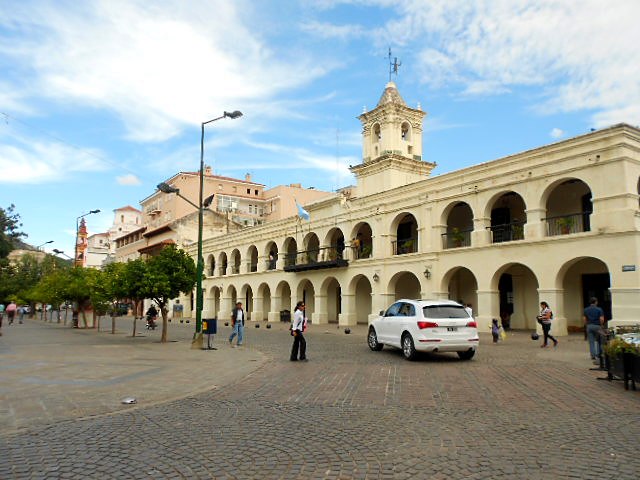
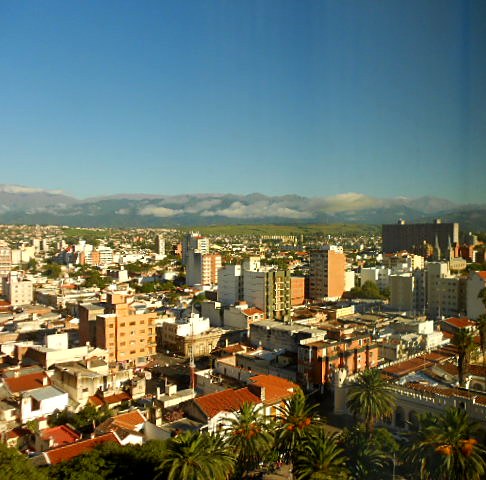
Salta is one of Argentina’s best-preserved colonial cities, with whitewashed churches, arcaded streets and a lively main square, Plaza 9 de Julio.
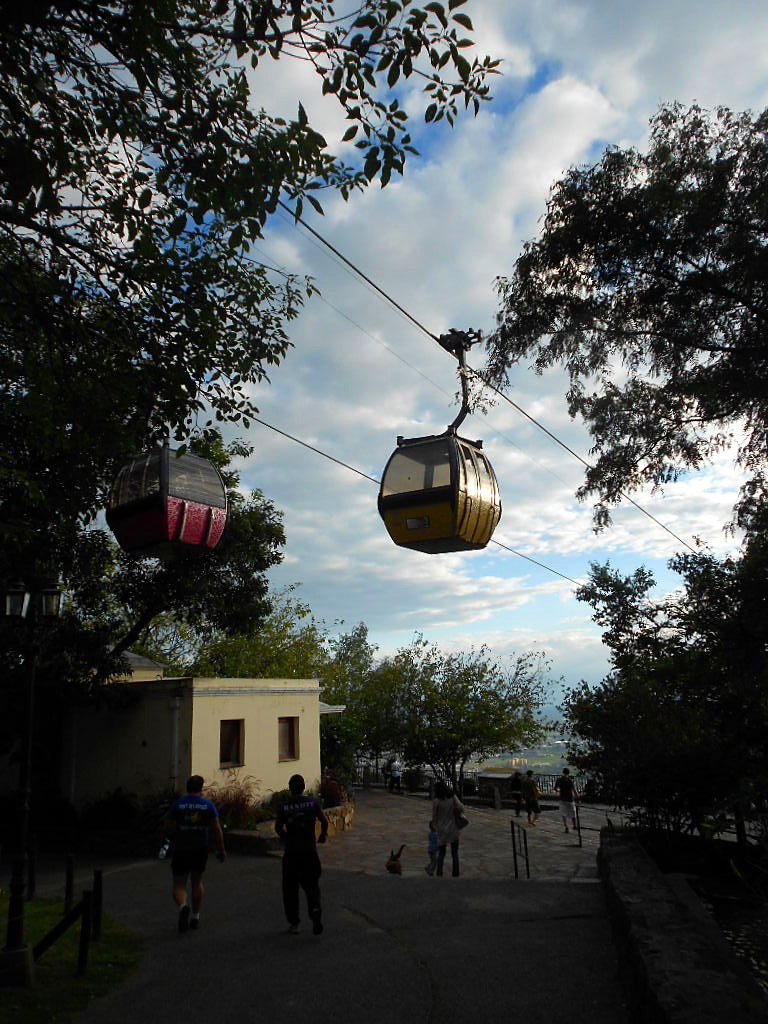
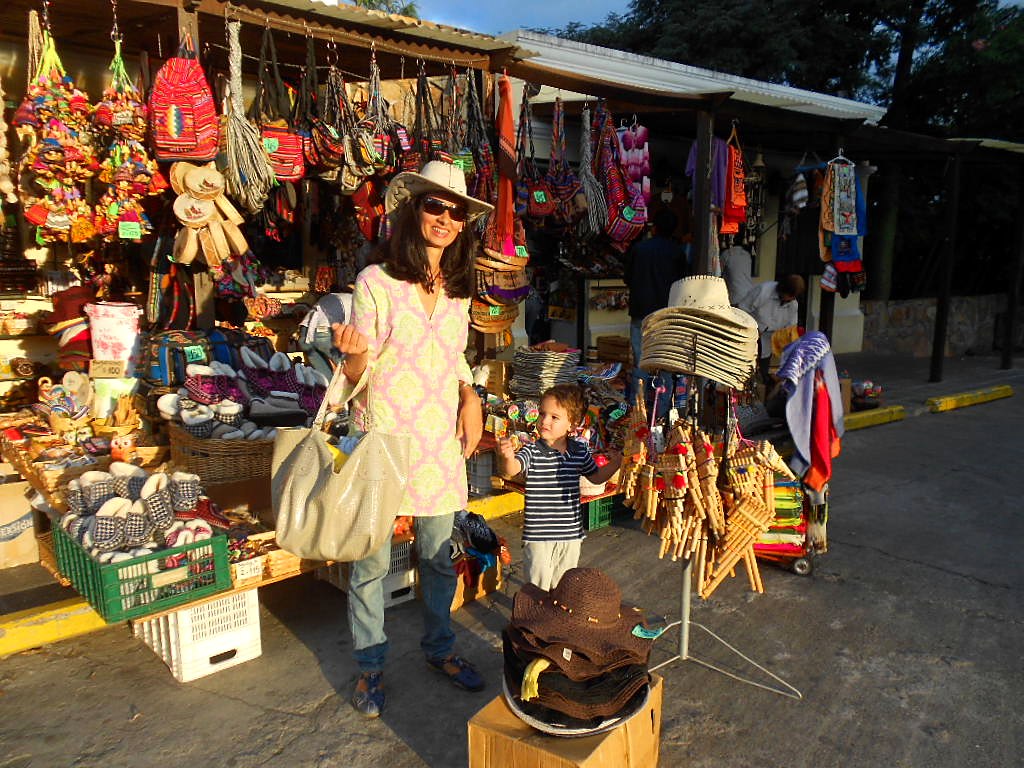
For the best view, ride the cable car up Cerro San Bernardo, which rises about 270 m above the city. At the top are gardens, a small crafts market and a lookout over the whole Lerma Valley. In the evening, look for a peña, a folk music club where the empanadas and the guitars come out together.

The drive to Cafayate
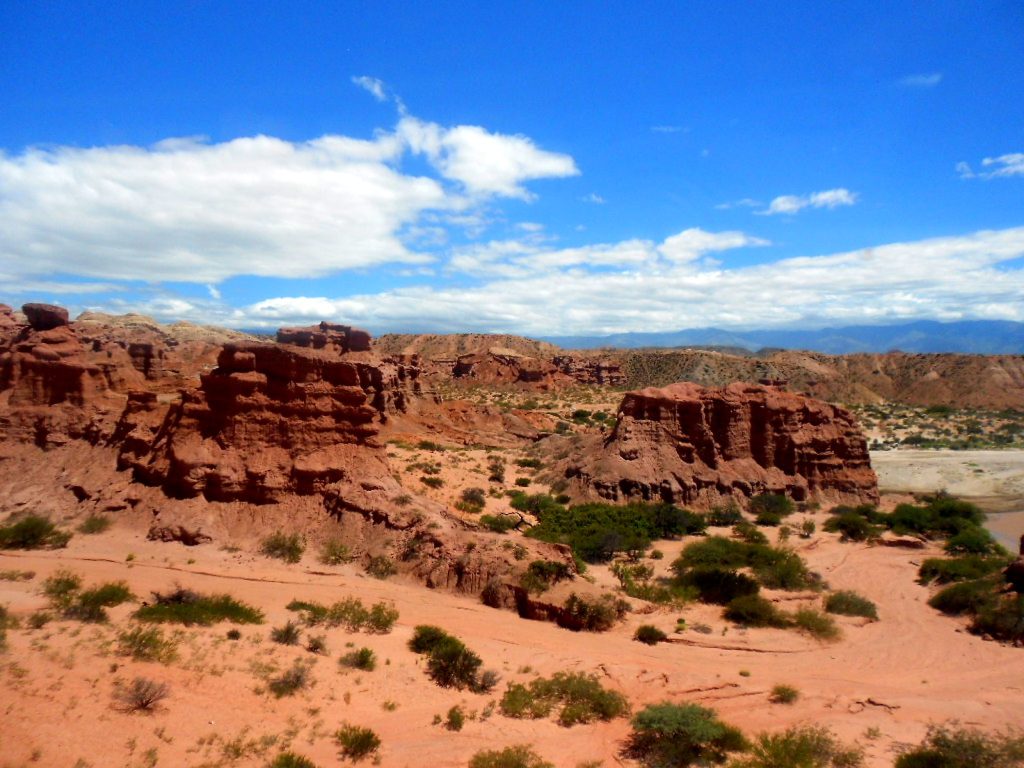
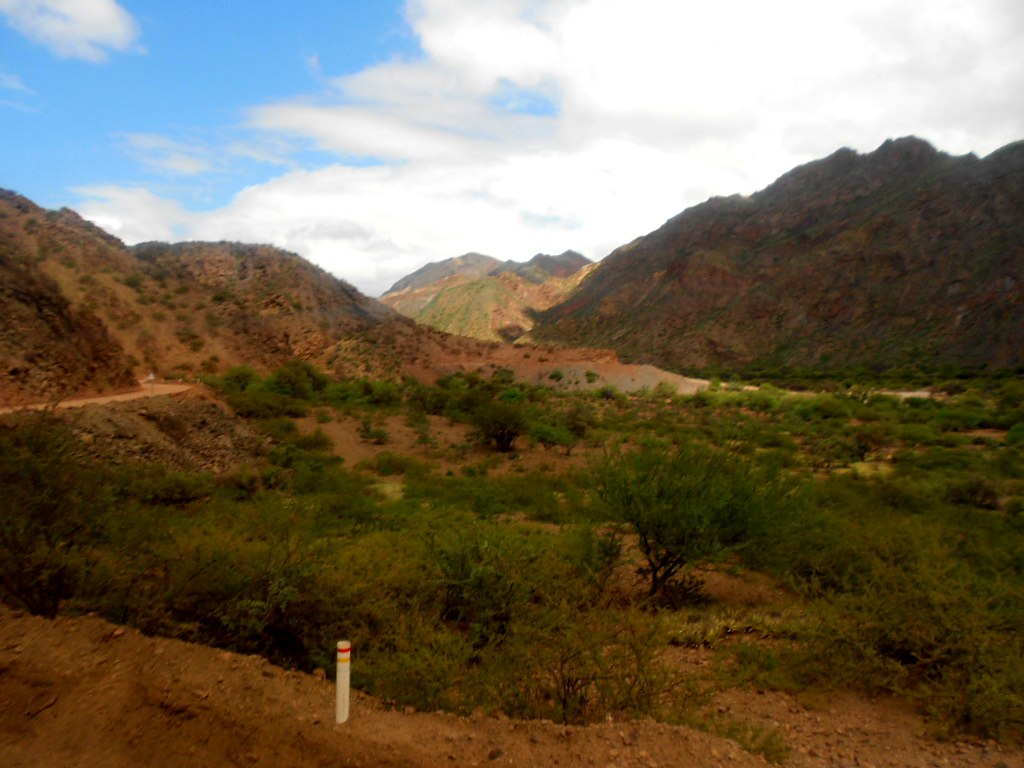
The road south to Cafayate, Route 68, is one of the most beautiful drives in Argentina. The 190 km trip takes three to four hours without stops, but plan on a full day.
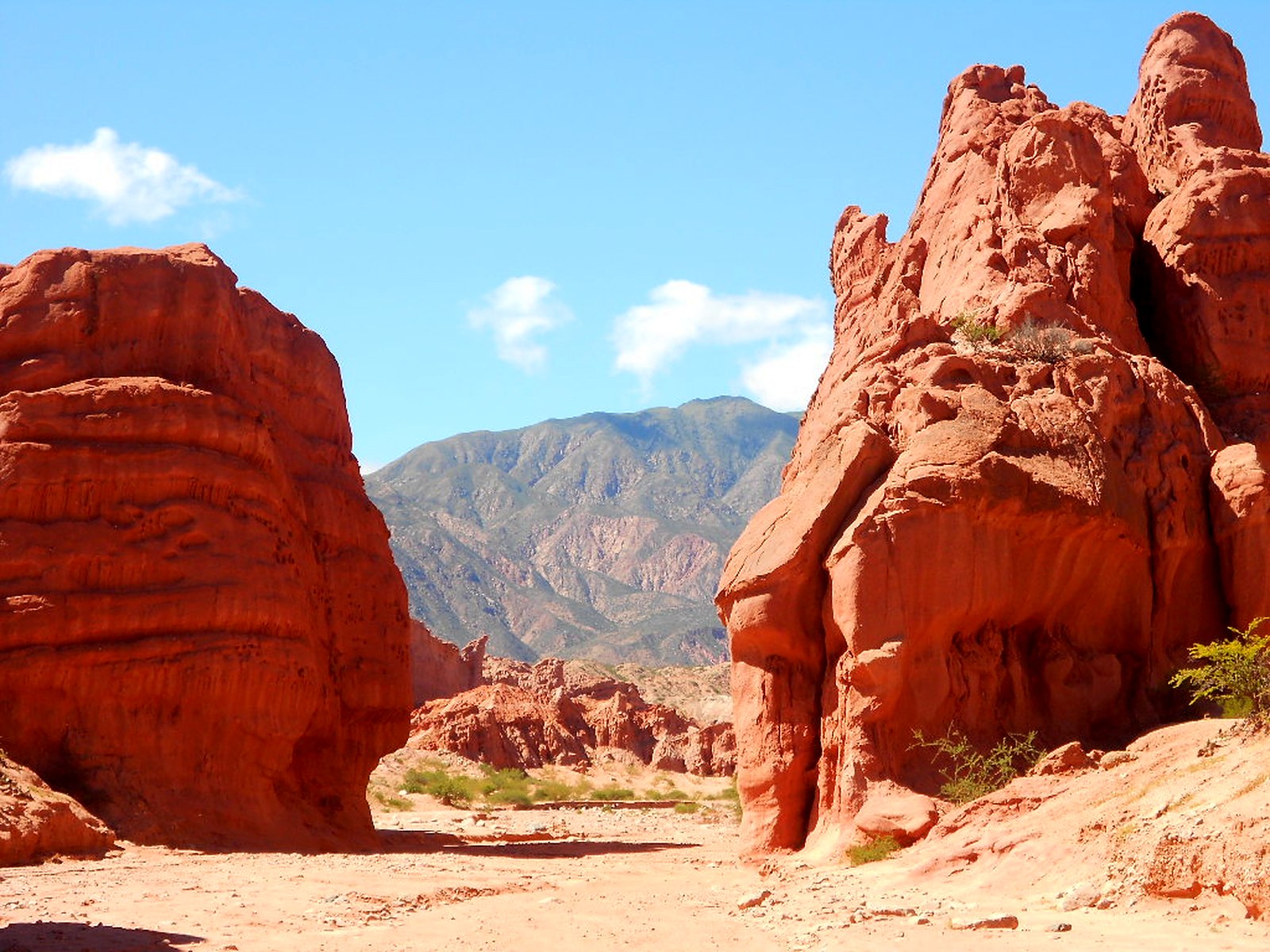
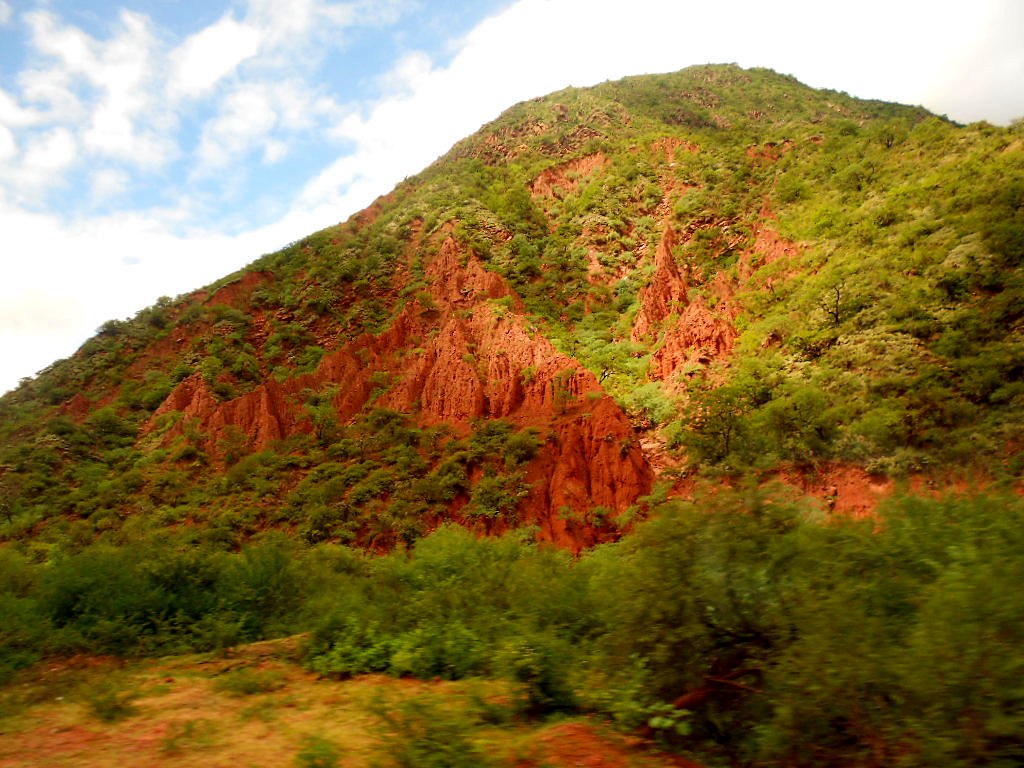
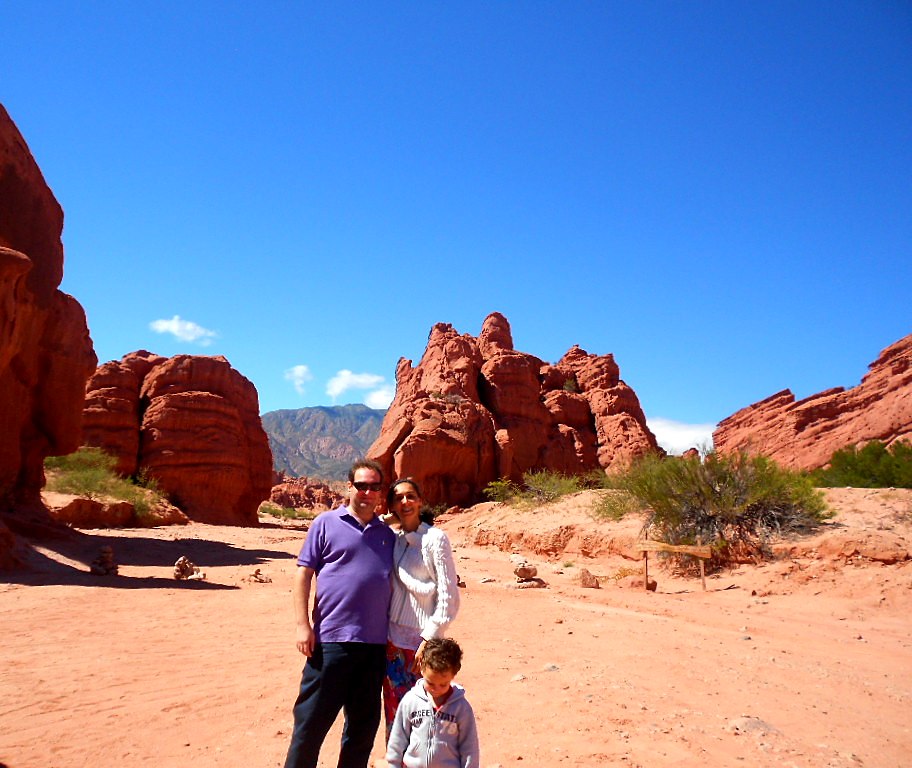
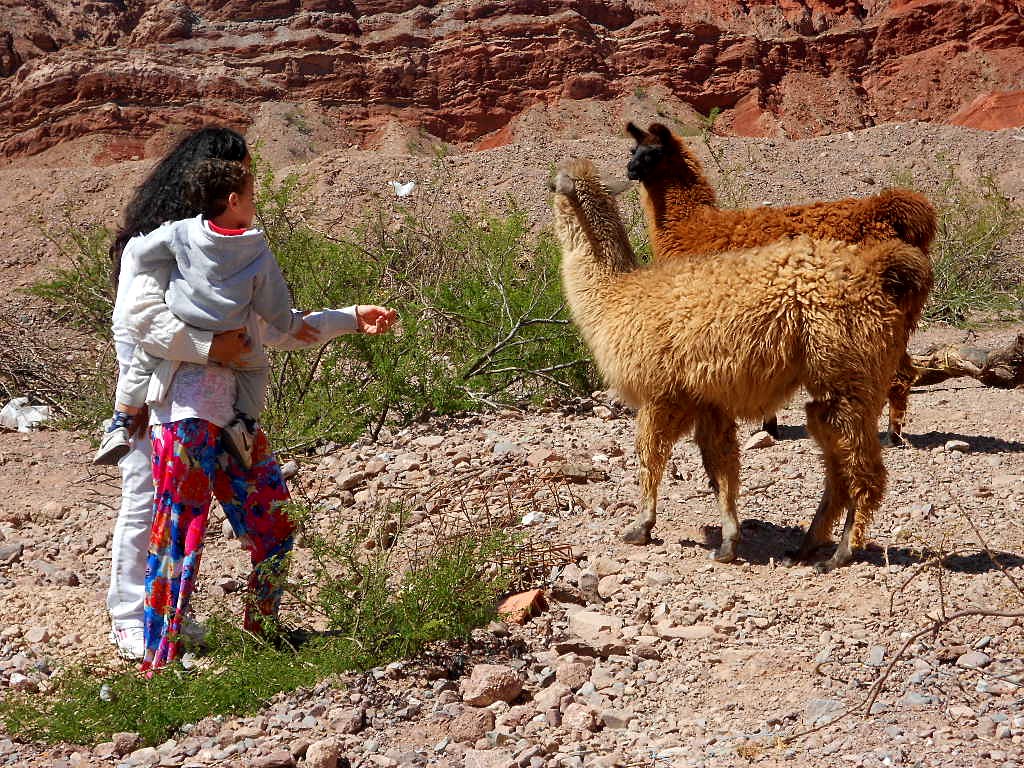
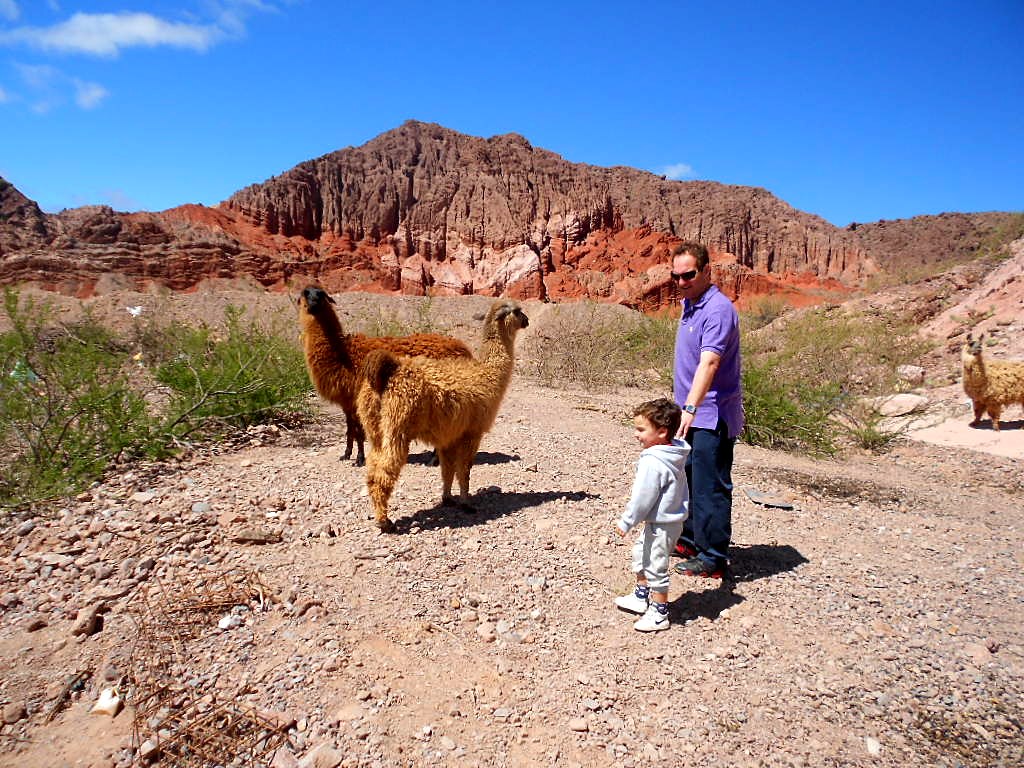
The last stretch runs through the Quebrada de las Conchas, a canyon of red sandstone shaped by wind and water. Short walks from the roadside lead to formations with names like the Devil’s Throat (Garganta del Diablo), the Amphitheater, the Obelisk and the Castles (Los Castillos). Keep an eye out for llamas grazing along the way.
Our tip: Leave Salta early and stop often. The colors are at their richest in the morning and late afternoon light.

Cafayate
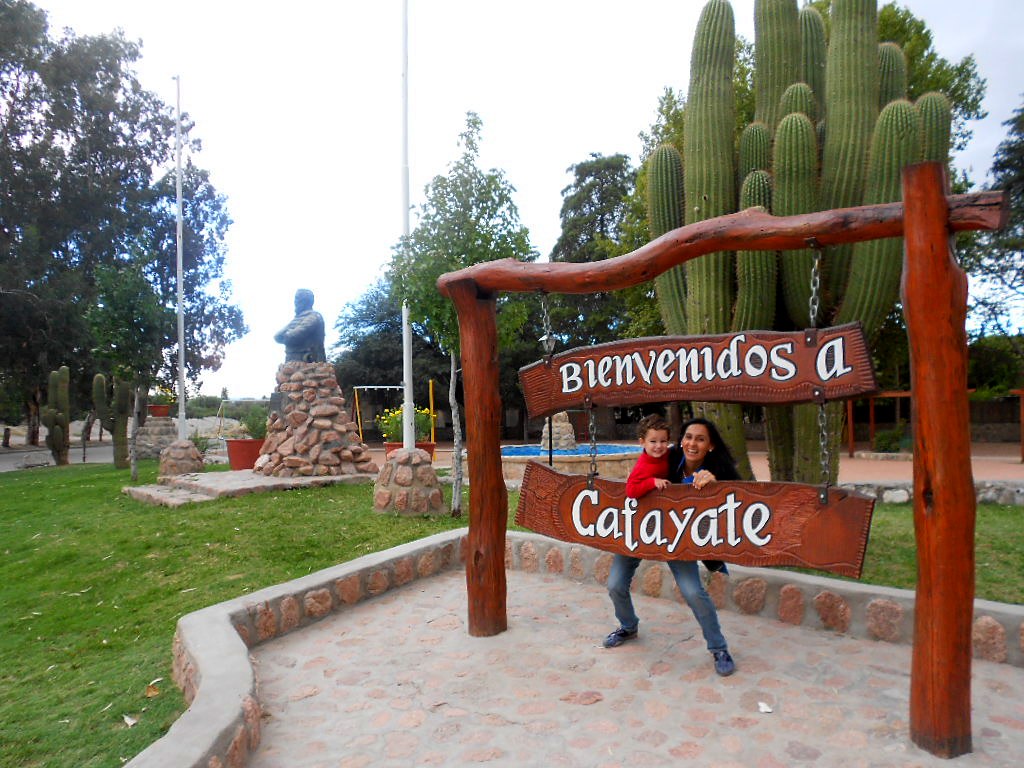
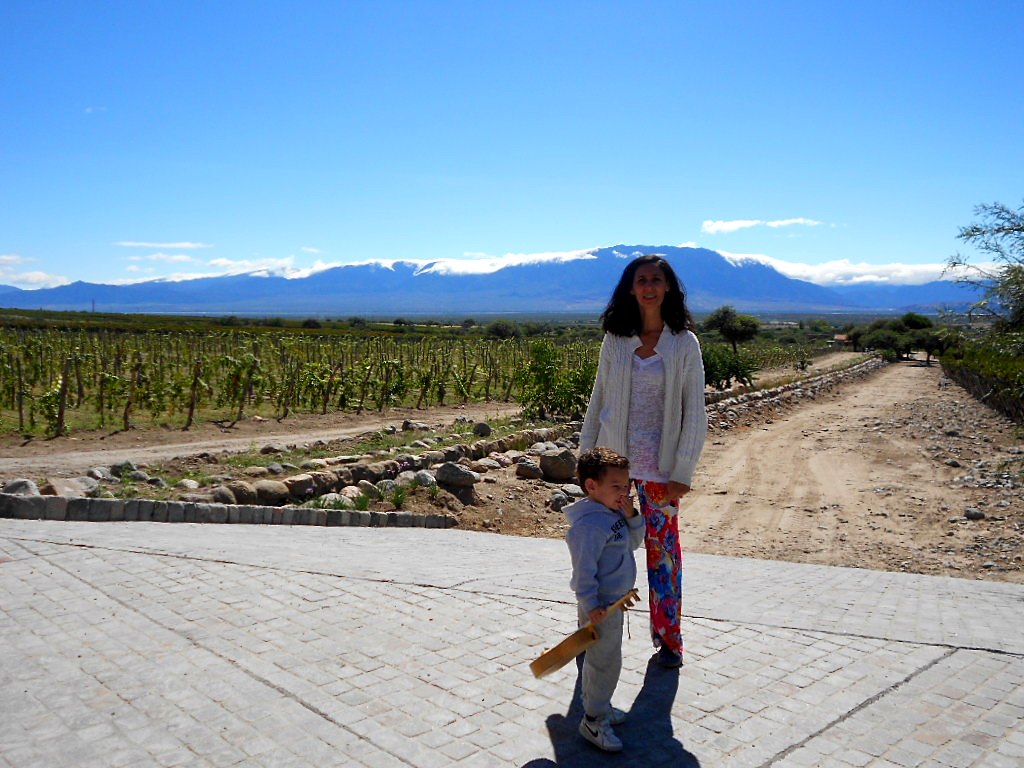
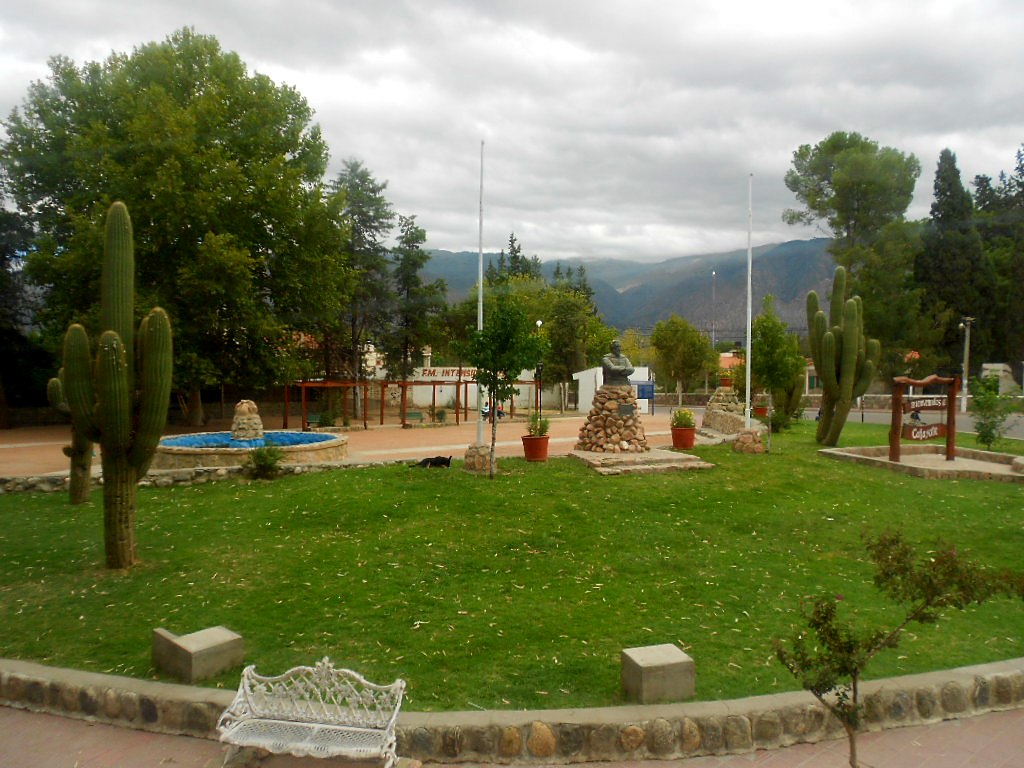
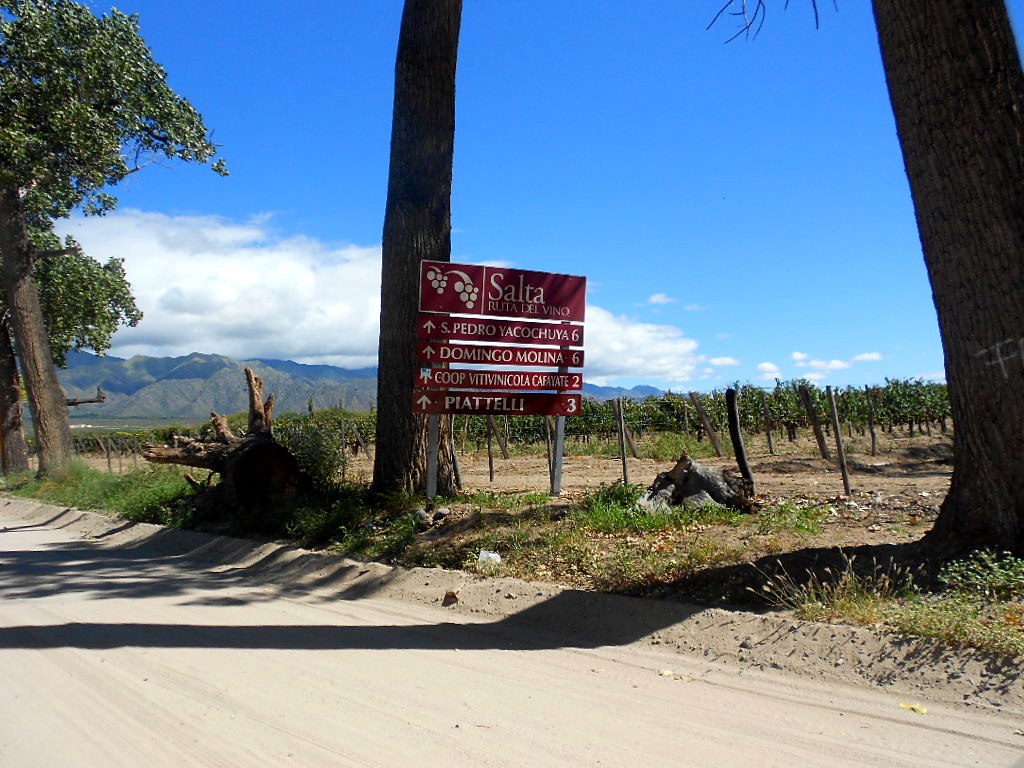
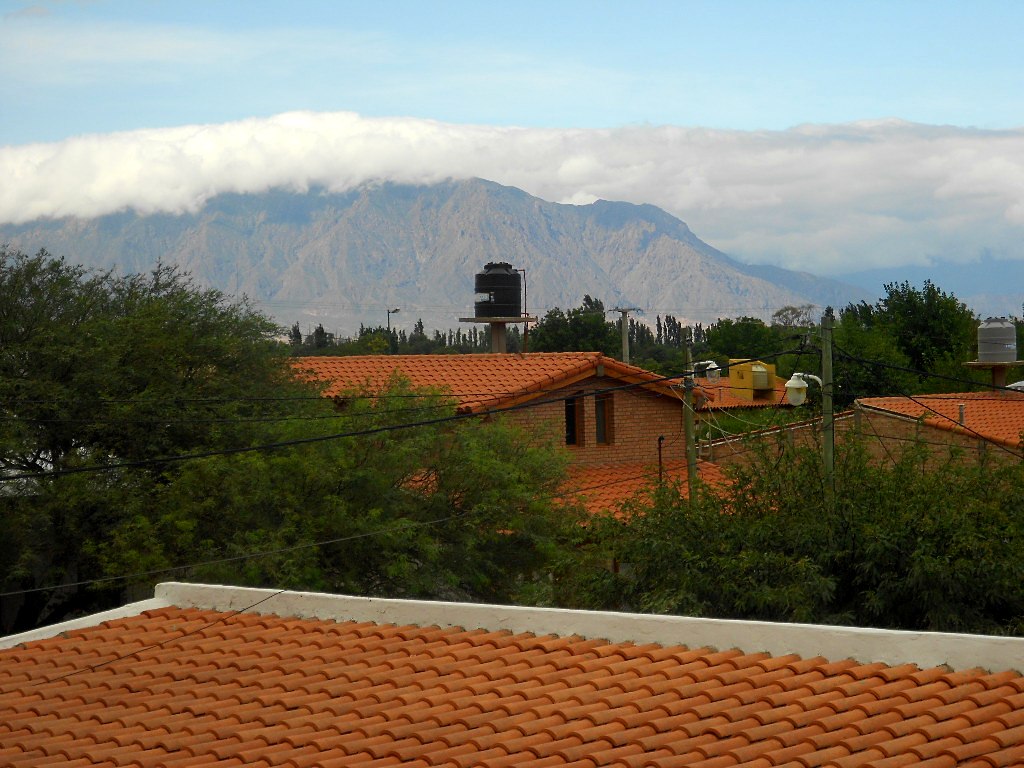
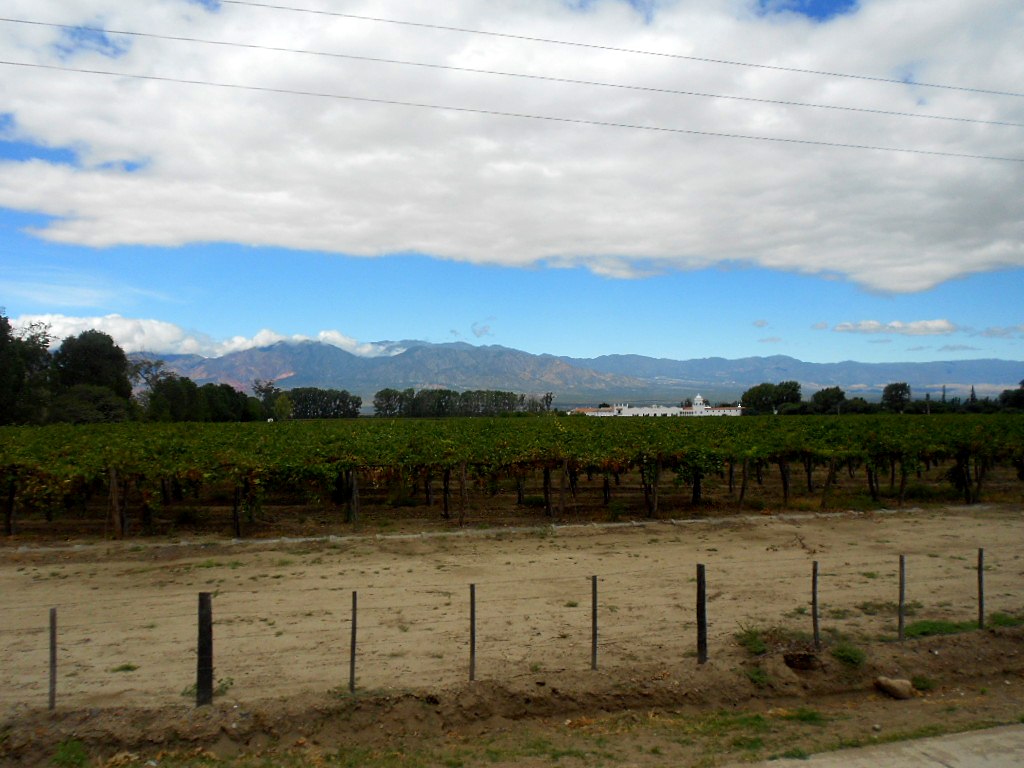
Cafayate is a relaxed small town at about 1,680 m, surrounded by vineyards and mountains. It is the home of Torrontés, Argentina’s signature white wine: fragrant and floral, but dry and crisp.
Several wineries are within walking distance of the main plaza, others are a short drive away, and the ice cream shops on the square even sell wine-flavored ice cream. Most visitors spend a night or two here to take it slowly.



Jujuy and the Quebrada de Humahuaca
North of Salta, Jujuy province is home to the Quebrada de Humahuaca, a long mountain valley of colored rock, adobe villages and ancient trade routes, listed as a UNESCO World Heritage Site.
Highlights include Purmamarca and its Hill of Seven Colors, the pre-Hispanic hilltop fortress of Pucará de Tilcara, the town of Humahuaca and, for the adventurous, the striped Serranía de Hornocal. West of Purmamarca, a mountain road climbs to the white expanse of the Salinas Grandes salt flats.
It can be done as a very long day trip from Salta, but it is far better with a night or two in Purmamarca or Tilcara.
Good to know: The towns of the Quebrada sit between about 2,300 and 3,000 m, and the road to the salt flats climbs above 4,000 m. Take it slowly, drink plenty of water and plan the highest days after a night or two at altitude.
When to go
- April to May and September to November are our favorite months: dry, sunny and mild.
- December to March is the rainy season. The hills turn green, but summer storms can close mountain roads for a few hours or days. Cafayate’s grape harvest falls at the end of this season.
- June to August is dry and sunny, with cold nights, especially at altitude.
How many days?
We recommend at least five nights: two in Salta, one or two in Cafayate and one or two in the Quebrada de Humahuaca. With a week or more, you can add Cachi and the full loop through the Calchaquí Valleys.
Getting there
Flights from Buenos Aires to Salta take about two hours, and Jujuy has its own airport too. From there, the region is best explored by road with a private driver, so you can stop wherever the view demands it.
Where to stay
- In Salta, stay near the main square, close to the churches, cafés and peñas.
- In Cafayate, choose a hotel in town or a wine estate among the vineyards.
- In the Quebrada de Humahuaca, Purmamarca and Tilcara have charming small hotels with mountain views.
Practical tips
- Respect the altitude: rest on arrival, drink water and go easy on wine on your highest days.
- The sun is strong at altitude. Bring sunscreen, sunglasses and a hat.
- Pack layers. Days are warm, but nights can be cold, even in summer.
- Carry some cash. Small towns have few ATMs, and not every shop takes cards.
- Allow extra time on the road. Distances look short on a map, but mountain roads are slow, and some stretches are gravel.
Plan your Salta & Jujuy trip
The northwest pairs beautifully with Buenos Aires and Mendoza, and is easy to combine with Iguazú. Tell us how you like to travel, and we will plan the route, the driver and the stops, so all you have to do is enjoy the views.