
Patagonia · Chubut Province
Península Valdés
Argentina’s Marine Big Five: whales, orcas, penguins, elephant seals and sea lions
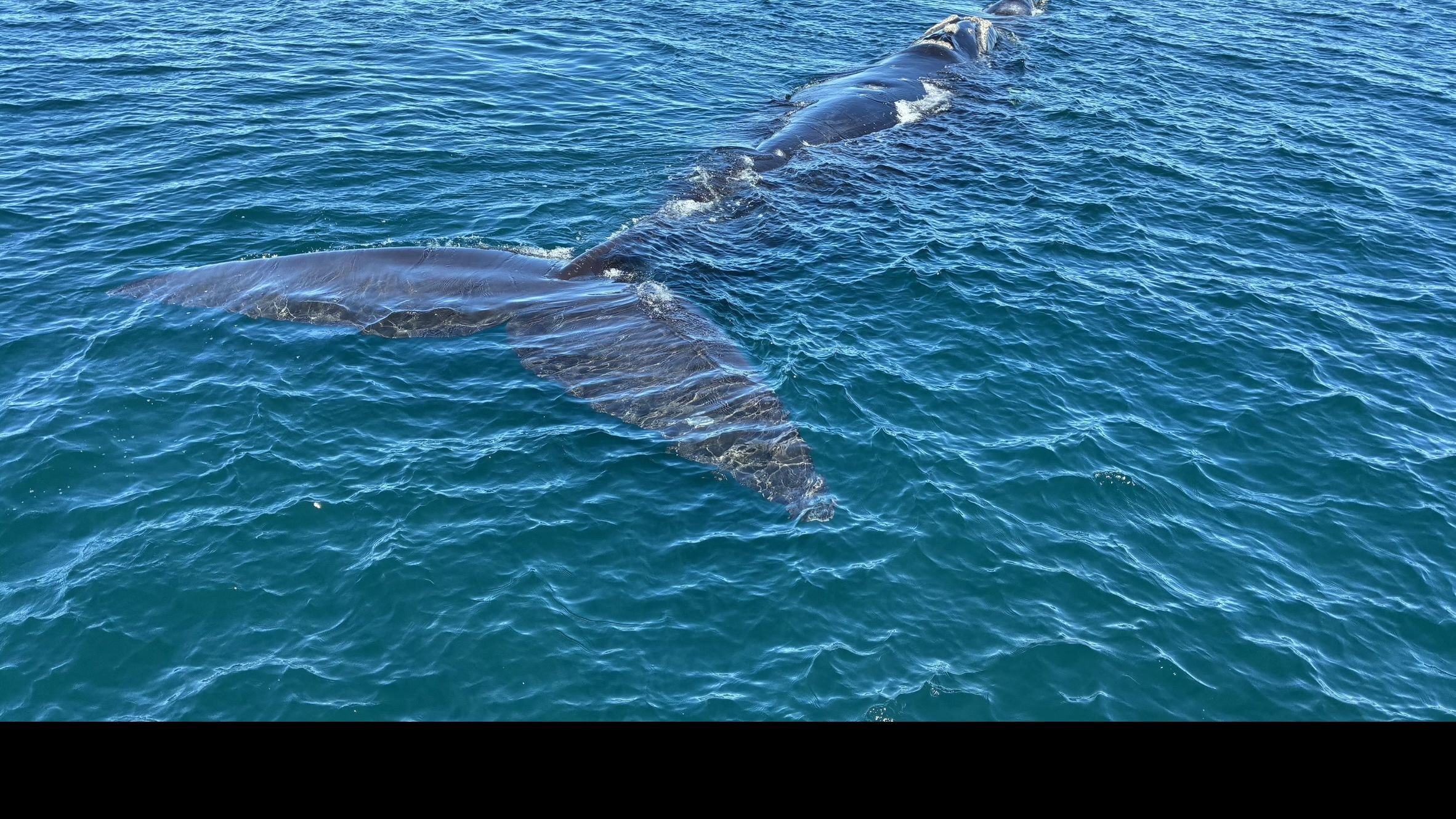
Halfway down Argentina’s Atlantic coast, the Patagonian steppe runs straight into the ocean, and the wildlife comes right up to meet you. This is home to Argentina’s Marine Big Five: southern right whales, orcas, Magellanic penguins, southern elephant seals and South American sea lions. On our visit in early November, we saw all five in a single day.
Península Valdés, a UNESCO World Heritage Site since 1999, is the nursery of the southern right whale and one of the great wildlife destinations of South America. The seaside city of Puerto Madryn, just south of the peninsula, is the base for visiting it.
Argentina’s Marine Big Five
- Southern right whales: boat trips from Puerto Pirámides, June to mid-December.
- Orcas: along the coast at Caleta Valdés in October and November, and at Punta Norte from late February to April.
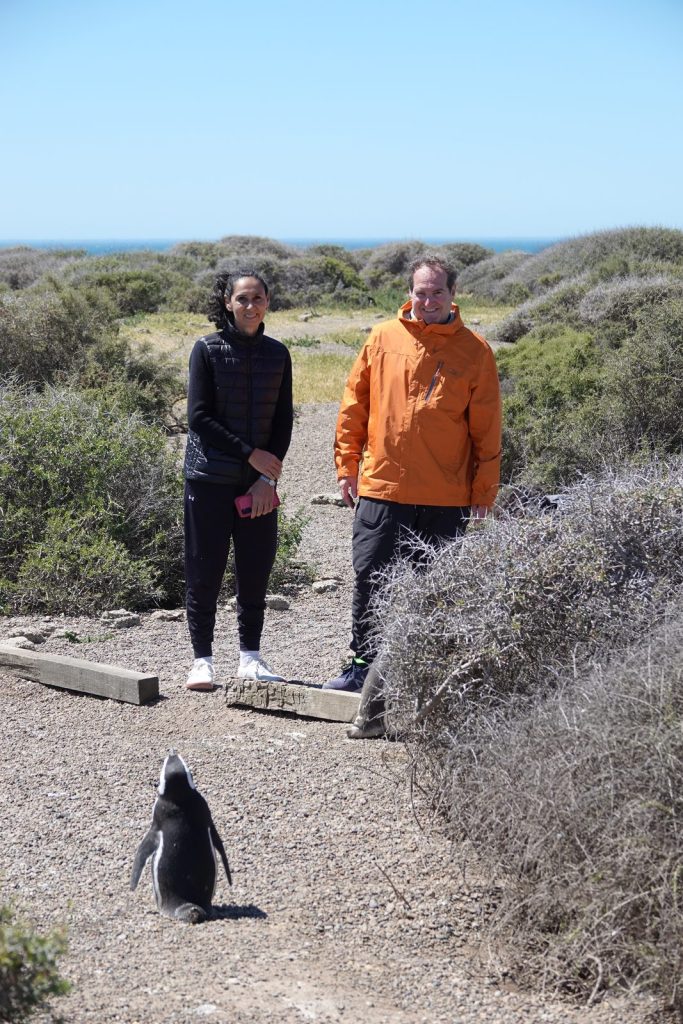
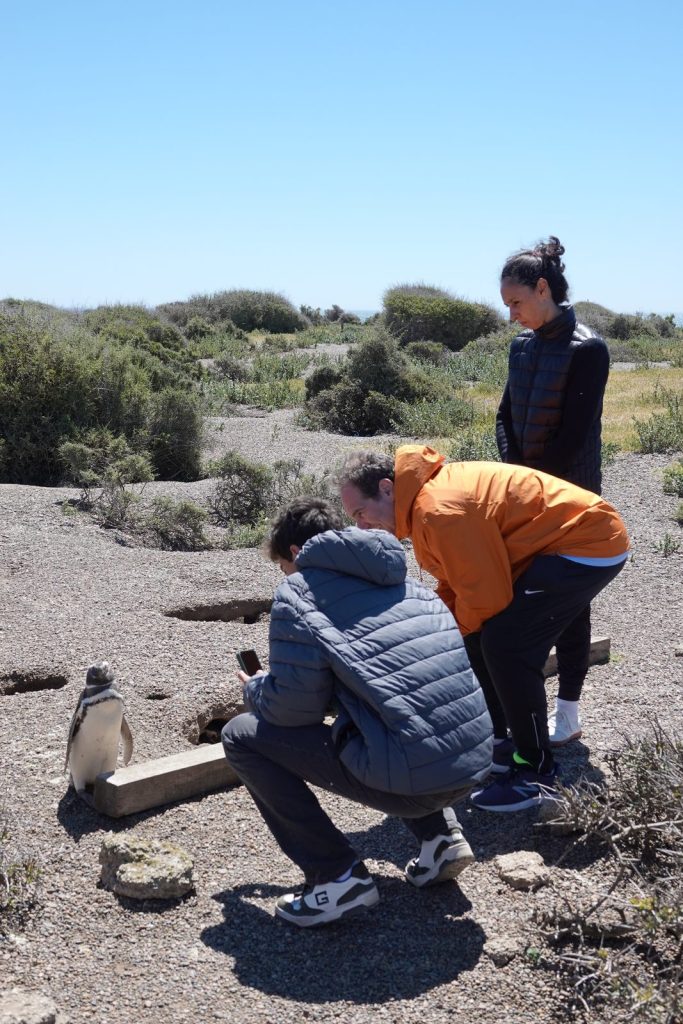
- Magellanic penguins: the colony at Estancia San Lorenzo, about September to April.
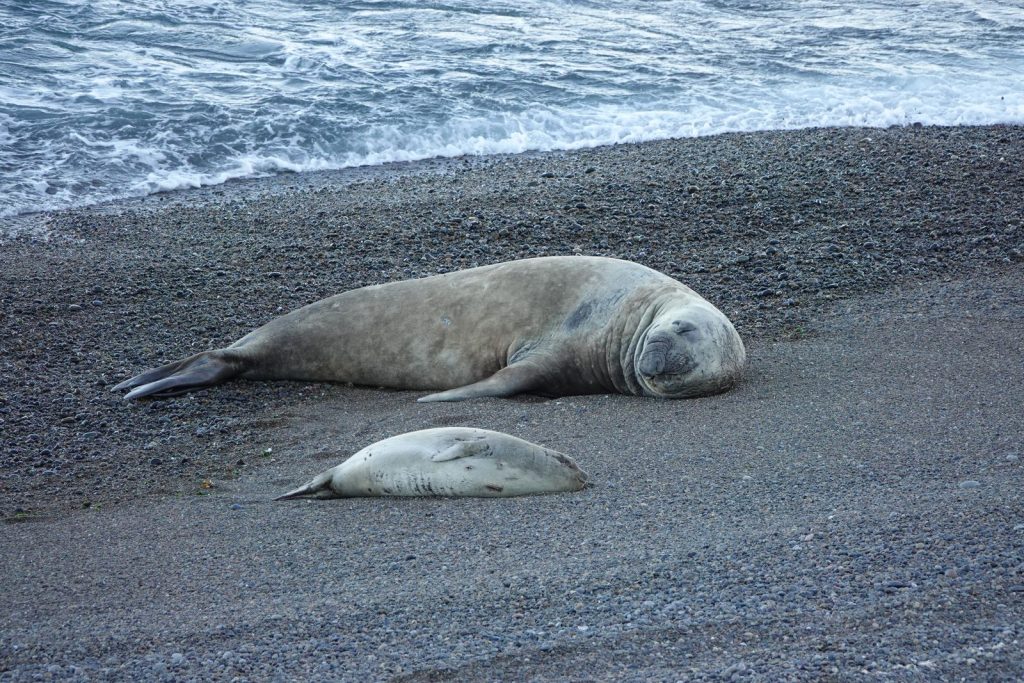
- Southern elephant seals: the beaches of Caleta Valdés and Punta Norte, with pups in spring.
- South American sea lions: Punta Norte and the cliffs near Puerto Pirámides, all year.

Go with a local guide
The peninsula is huge, the roads are mostly gravel, and the animals move around, so knowing where to be makes all the difference. The guides stay in touch with each other all day, passing along where the orcas are swimming and what’s happening on the beaches, and they build the day around the private penguin reserve at Estancia San Lorenzo, with its guided trails and lunch at the estancia.
There’s a practical reason, too. The distances out here are enormous, and across most of the peninsula there’s little or no cell signal. If you get a flat tire or the car breaks down on a remote gravel road, or worse, someone has a medical problem, you’ll want to be with a local guide who knows the roads and is in touch with the other guides working the peninsula.
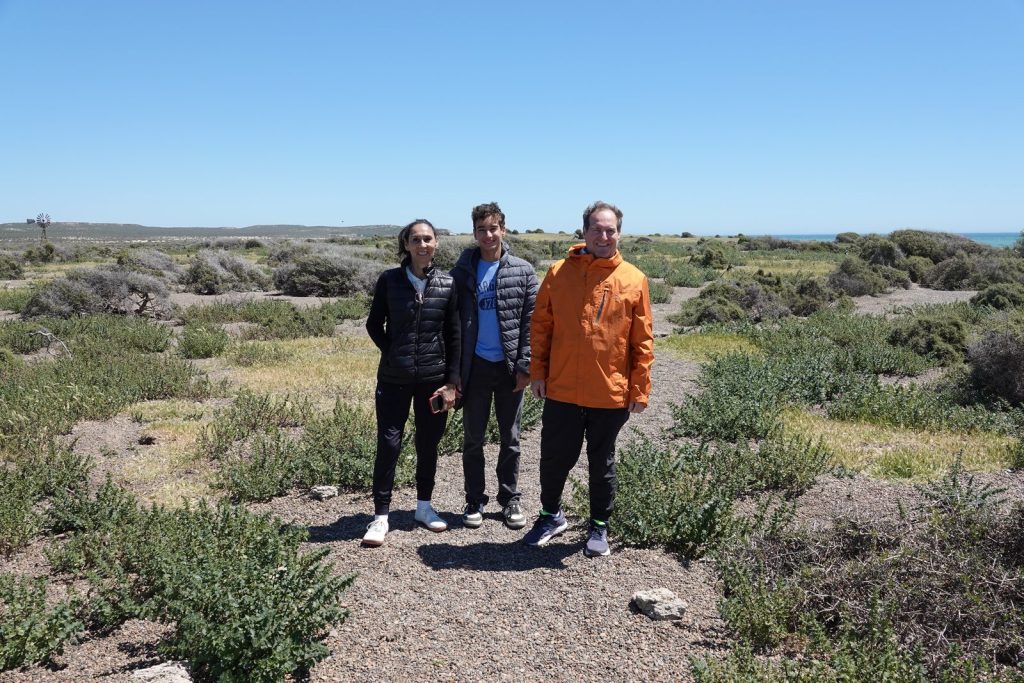
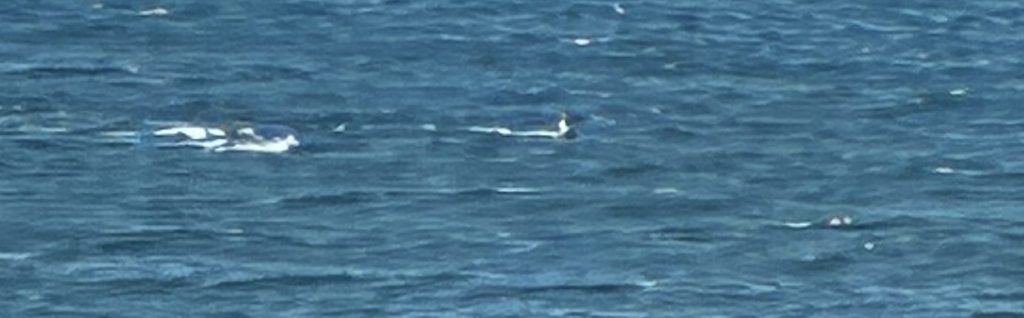
That’s how our day came together. After lunch at Estancia San Lorenzo, our guide got word from another guide that orcas had been seen off Punta Norte, swimming south. We headed down the coast to Caleta Valdés and watched a pod of five or six orcas patrol the shore below the cliffs, the last of the five on a day that had already given us whales, penguins, elephant seals and sea lions.
How the area fits together
- Trelew has the main airport. It’s about an hour from Puerto Madryn.
- Puerto Madryn is the base, with hotels and restaurants along the bay of Golfo Nuevo.
- Península Valdés lies north of Puerto Madryn. Puerto Pirámides, the only village on the peninsula, is where the whale-watching boats leave from.
- Distances on the peninsula are long and mostly on gravel roads, so a full day with a local guide is the best way to see it.
Where is Península Valdés?
Península Valdés is on Argentina’s Atlantic coast in Chubut Province, Patagonia, about a two-hour flight south of Buenos Aires. The seaside town of Puerto Madryn, just south of the peninsula, is the base for visiting it, and the Punta Tombo penguin colony is about two and a half hours’ drive further south.
Península Valdés
Connected to the mainland by a narrow isthmus, Península Valdés is a vast, nearly empty landscape of sheep ranches and steppe, ringed by beaches full of marine life. A full-day visit from Puerto Madryn covers long distances on gravel roads, so it’s best done with a guide or driver.
- Puerto Pirámides is the peninsula’s only village and the departure point for whale-watching boats.
- Punta Norte has a large sea lion colony. From about February to mid-May, orcas sometimes hunt here by surging onto the beach, one of the rarest wildlife sights on earth. Sightings depend on the tides and are never guaranteed.
- Caleta Valdés is home to southern elephant seals, with boardwalks above the beach. Pups are born in late winter and spring.
- Estancia San Lorenzo, near Punta Norte, has one of the peninsula’s big Magellanic penguin colonies, with nests under the bushes and penguins heading down to the beach, from about September to April. The estancia also serves lunch: ours was Patagonian lamb roasted over an open fire.
Whale watching
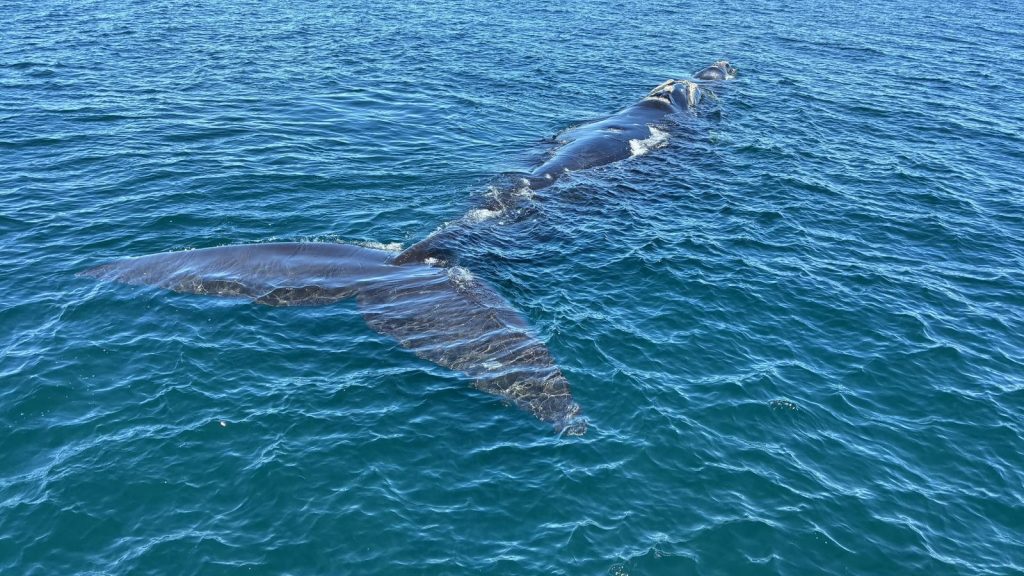
Every winter, southern right whales come into the sheltered gulfs on either side of Península Valdés to give birth and raise their calves. They arrive around June and stay until about mid-December, and September and October are usually the best months, when mothers and calves are most active.
Boat trips leave from Puerto Pirámides, the only place in Argentina where whale-watching boats are allowed, and last about 1.5 to 2 hours. The boats get remarkably close, and it’s common to see a whale lift its tail or breach right beside you. In season, you can also watch whales from the shore at Playa El Doradillo, just outside Puerto Madryn. Go early in the morning, when the sea is calmest.
When to go
- June to mid-December is whale season. September and October are usually the best months, when mothers and calves are most active.
- October and November are the best months to see all five in one day: the whales are still in the gulfs, the penguins are nesting, elephant seal pups are on the beaches at Caleta Valdés, and orcas come in along that coast to hunt them.
- Late February to April brings orcas to Punta Norte, where they surge onto the beach to hunt sea lion pups. Sightings depend on the tides and are never guaranteed.
- December to February is quieter for whales, but the sea lions and elephant seals are still on the beaches.
Dress for the wind. Even on sunny days, the wind off the Atlantic can be cold. Bring a windproof jacket, a hat and sunglasses, and wear comfortable walking shoes for the gravel trails.
How many days?
Plan on two nights in Puerto Madryn at minimum: one full day touring the peninsula, with a whale-watching boat from Puerto Pirámides in season. A third night adds breathing room for a second whale trip or a morning watching whales from the shore at El Doradillo.
Getting there
Fly from Buenos Aires to Trelew, about a two-hour flight, then transfer to Puerto Madryn. There are also some flights directly into Puerto Madryn’s own small airport. Many travelers combine the coast with El Calafate or Ushuaia, which are a short flight south.
Practical tips
- Fill up the tank and carry water and snacks. Services on the peninsula are limited, and distances are long.
- Expect little or no cell signal once you leave Puerto Pirámides.
- Bring cash in pesos for entrance fees and small purchases, and check current fees before you go.
- Binoculars make a real difference for whales and orcas.
- Book whale-watching boats and hotels early for September and October.
- Never feed, touch or block the path of the wildlife.
Combine it with Punta Tombo
Most travelers base themselves in Puerto Madryn and see both. Península Valdés takes a full day to the north for whales, orcas, seals and sea lions, and Punta Tombo, one of the largest Magellanic penguin colonies on earth, is an easy day trip about two and a half hours to the south. Allow at least three nights in Puerto Madryn to do both without rushing.
Highlights from our visit
Whales and orcas, penguins, elephant seals and sea lions along the coast, with guanacos, rheas and maras on the steppe in between: our favorite moments from Península Valdés. Tap any photo to see it full size.
Plan your trip to Península Valdés
Tell us when you’d like to go, and we’ll plan the flights, the driver and the best day on the water for the whales.