

Mendoza Province · Western Argentina
Mendoza
Malbec, the Andes and long lunches among the vines
Mendoza is the heart of Argentine wine country, and the place to taste Malbec with the Andes on the horizon. Vineyards run right up to the foothills, tall poplars line the back roads, and lunch at a winery can easily last all afternoon.
The city itself is green and easygoing, with tree-lined streets, leafy plazas and a relaxed pace. Most travelers base themselves in town or at a wine lodge among the vines, then spend their days visiting wineries in three main areas: Luján de Cuyo, Maipú and the Uco Valley.
Where is Mendoza?
Mendoza is in western Argentina at the foot of the Andes, about a two-hour flight from Buenos Aires. Its wine regions spread south of the city, and Aconcagua and the pass into Chile are to the west.
Three wine areas, three different days
Mendoza’s wineries are spread across three main areas, each with its own character, and the best trips mix at least two of them. Choose an area on the map to zoom in and see some of its best-known wineries.
Luján de Cuyo
20–45 minutes south of the city · Vineyards at about 900–1,100 m
Argentina’s classic Malbec country, just south of the city. Old family estates sit beside some of the country’s best-known wineries, and many serve excellent lunches. Best for: famous names, classic Malbec and long winery lunches.
Maipú
20–40 minutes southeast of the city · Vineyards at about 650–800 m
The closest wine area to town and one of the oldest, with historic family wineries, a wine museum and olive oil producers along flat country roads. Best for: wine history, an easy half day or a bike tour.
Uco Valley
About 1½–2 hours south of the city · Vineyards at about 900–1,500 m
High in the foothills, with the snow-capped Andes as a backdrop. Its three areas, Tupungato, Tunuyán and San Carlos, are home to striking modern wineries and some of Argentina’s best restaurants. Best for: Andes views, high-altitude wines and a night at a wine lodge.
Map data © OpenStreetMap contributors · Elevation: SRTM via Mapzen Terrain Tiles
Good to know: Almost every winery in Mendoza takes visitors by reservation only, and the best ones fill up weeks ahead in high season. Tastings also mean you should not drive yourself. We book your visits, lunches and a private driver as part of your trip.
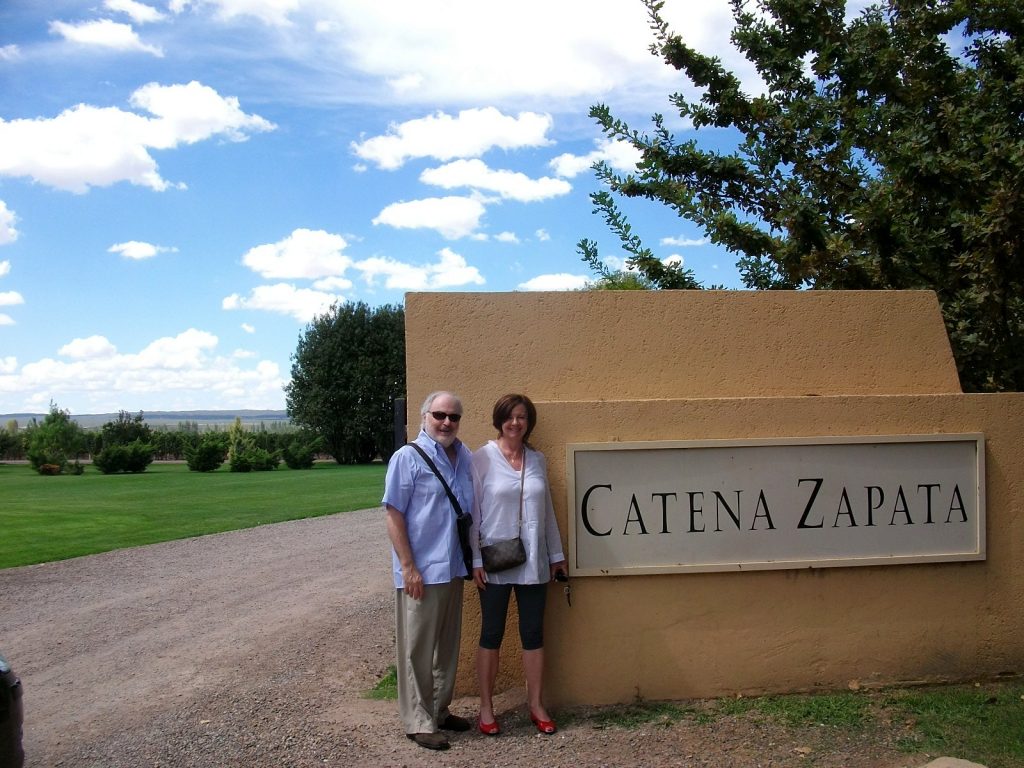
Our visit: Catena Zapata
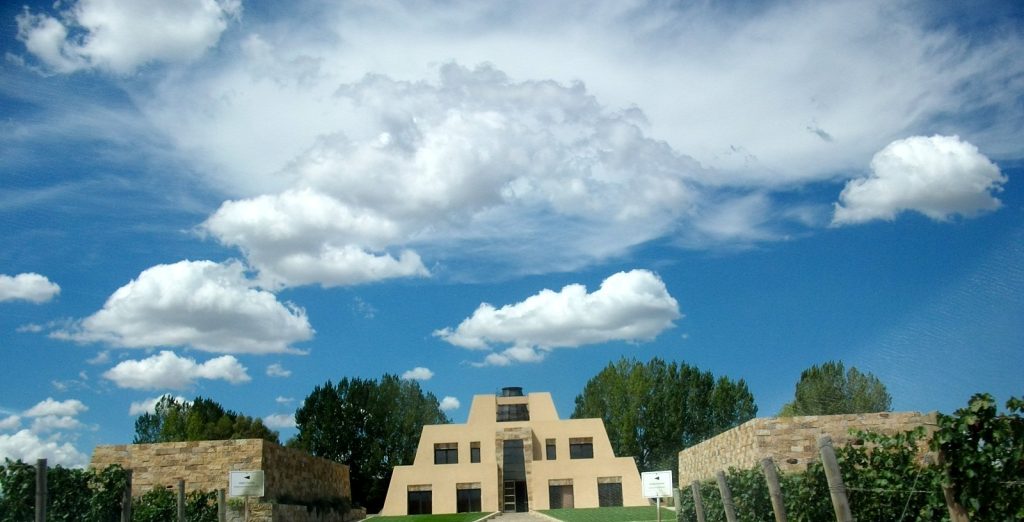
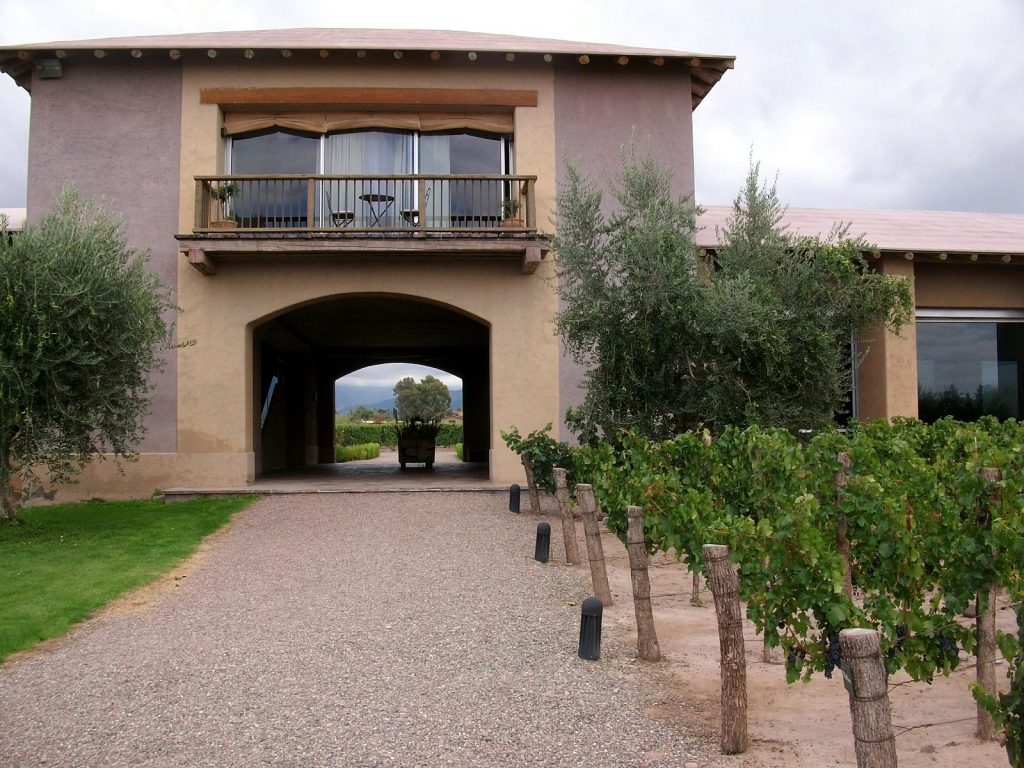
Catena Zapata is one of Argentina’s most celebrated wineries, and the building alone is worth the trip. It rises out of the vineyards in Agrelo, Luján de Cuyo, as a pyramid inspired by Mayan architecture, at the end of a long gravel road through the vines.
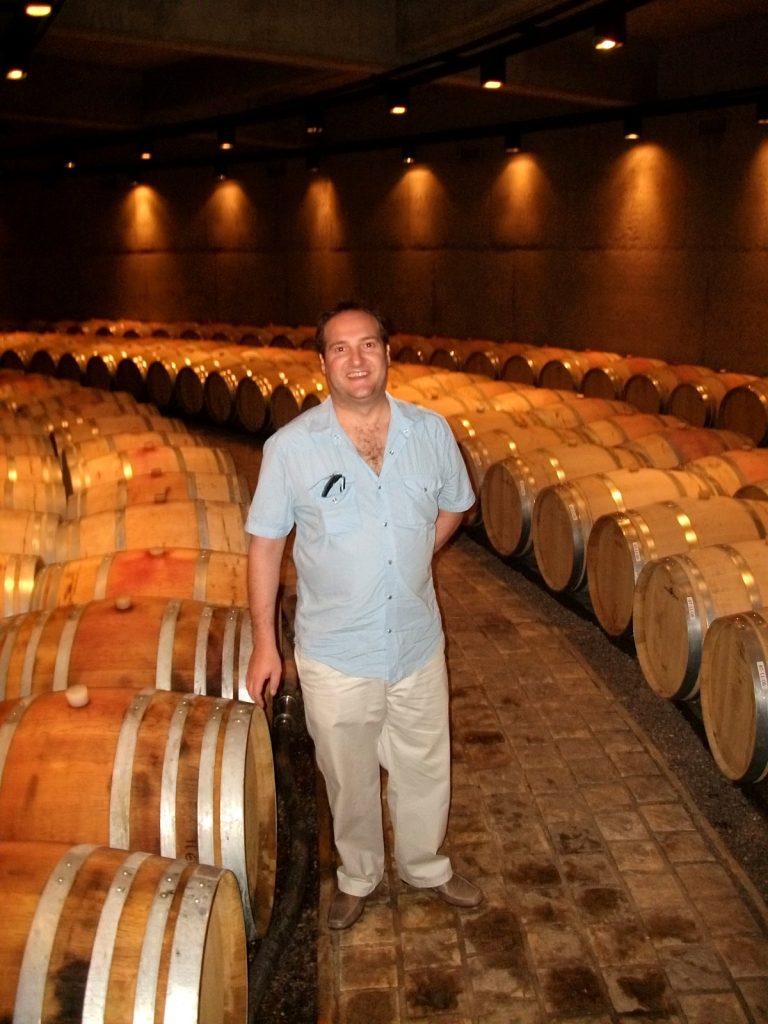
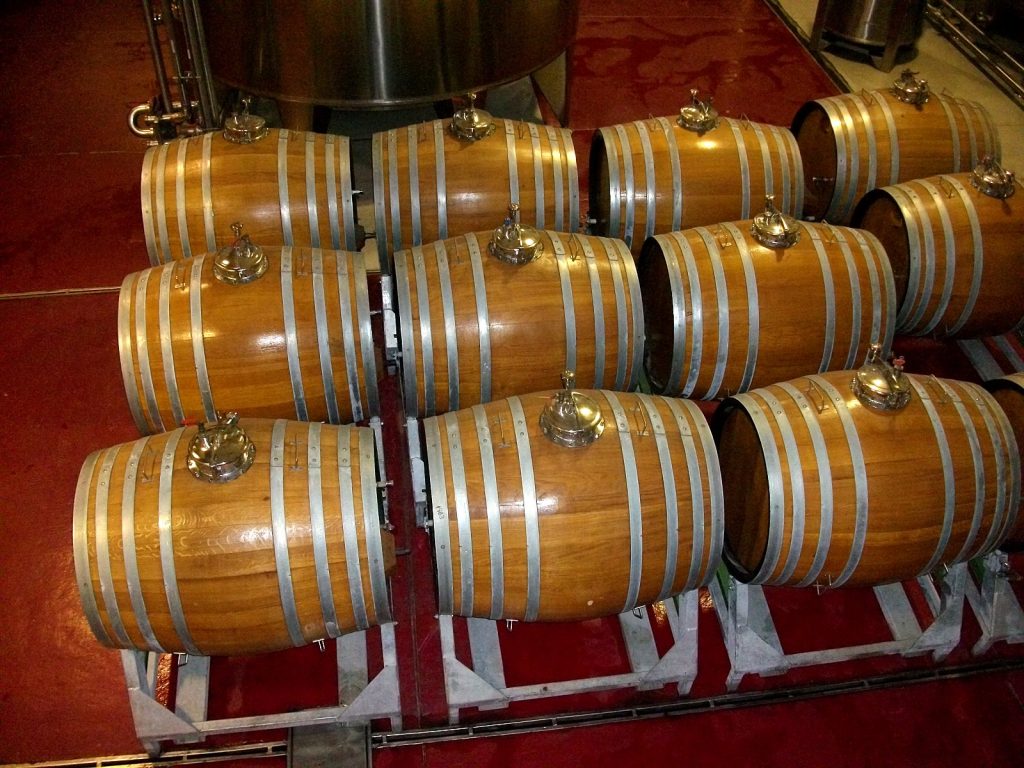
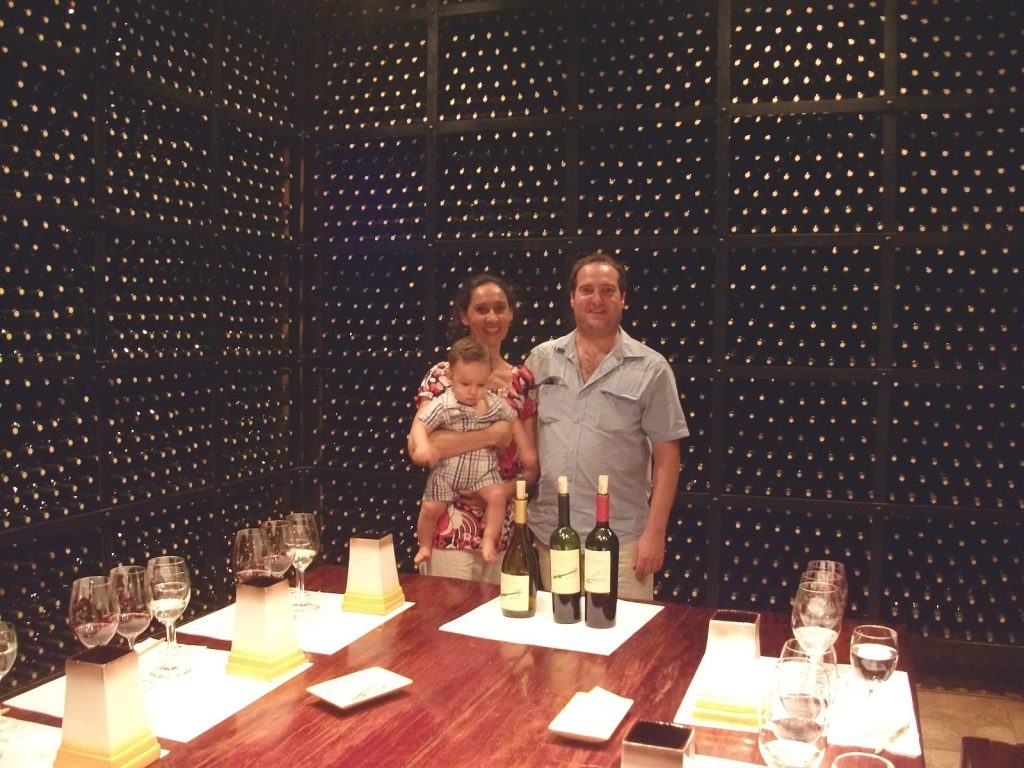
The tour follows the wine from grape to glass: past the fermentation tanks, down into the barrel cellar and on to a tasting of three or four wines.
Lunch at the winery
Catena Zapata’s restaurant, Angélica Cocina Maestra, serves a long tasting menu at lunchtime and holds a Michelin star. It needs its own reservation, separate from the winery tour, so book both together and allow at least three hours.
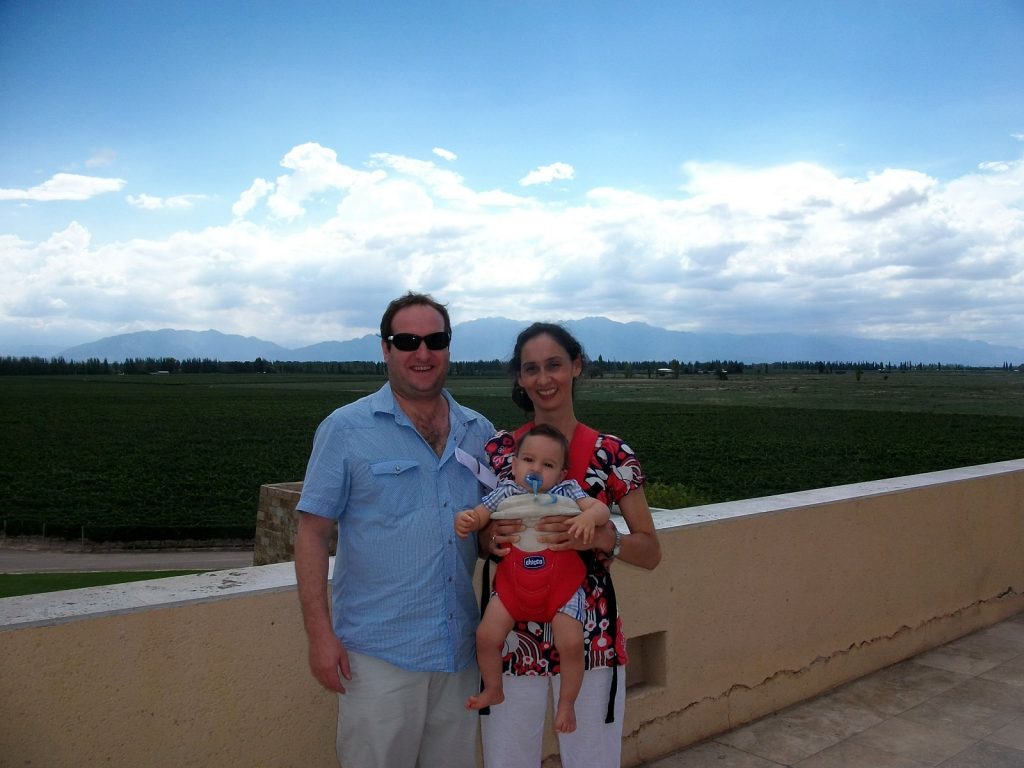
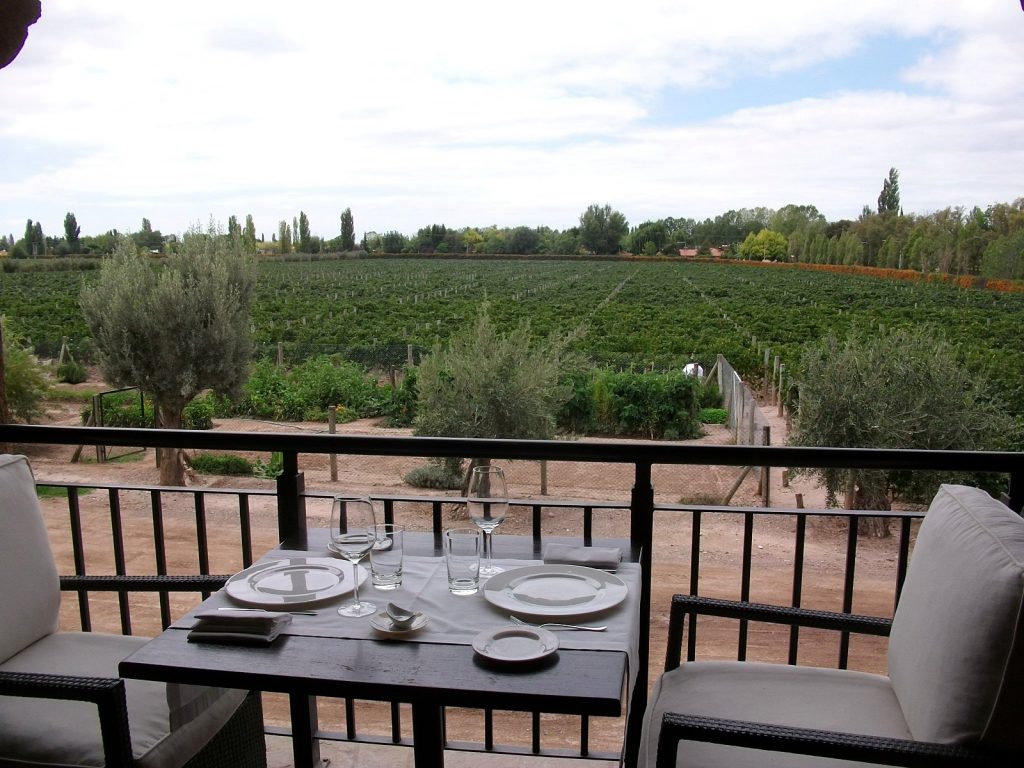
Our tip: Do not skip the terrace. The view across the vineyards to the Andes is the best photo of the day.


Long lunches among the vines
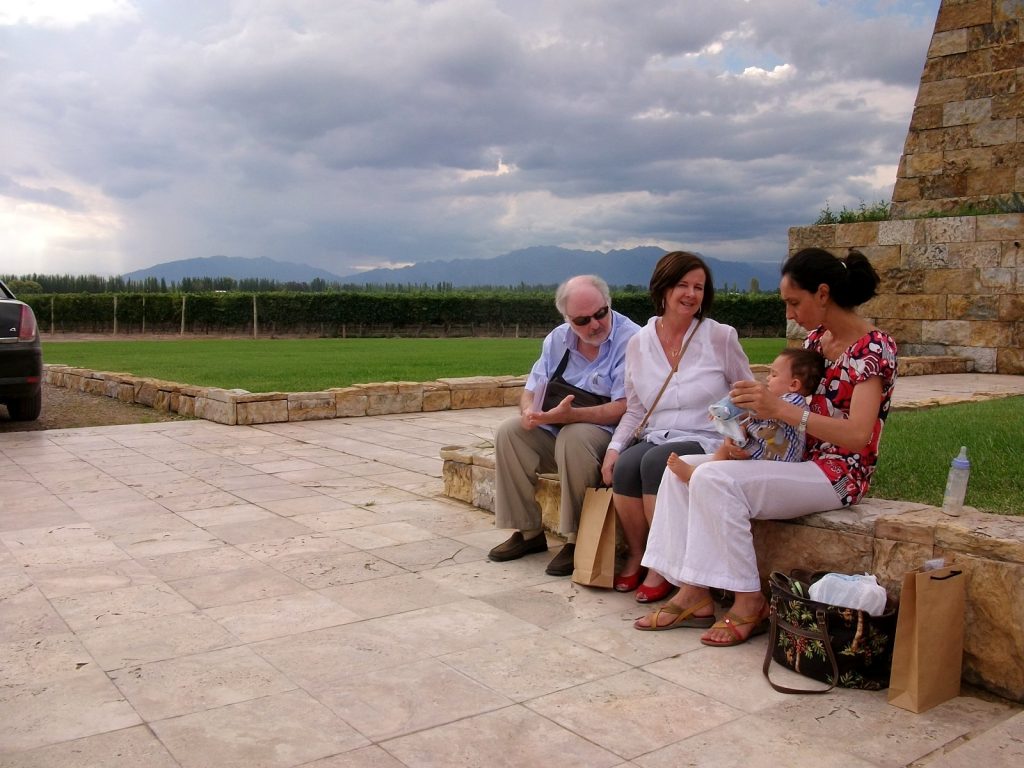
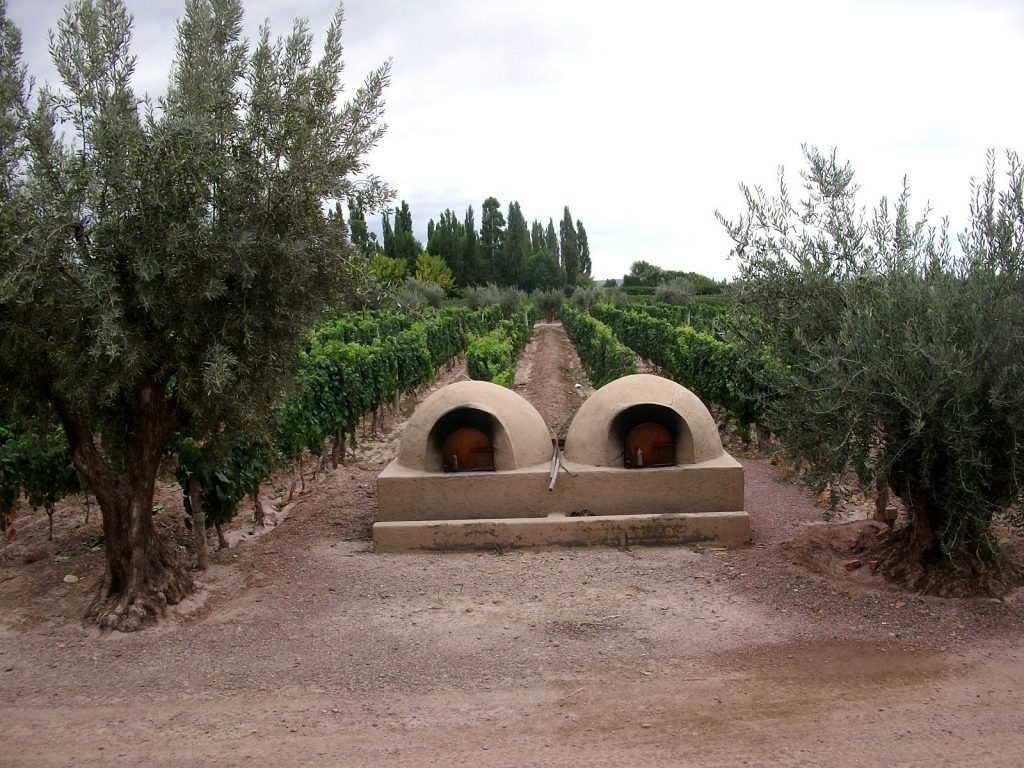
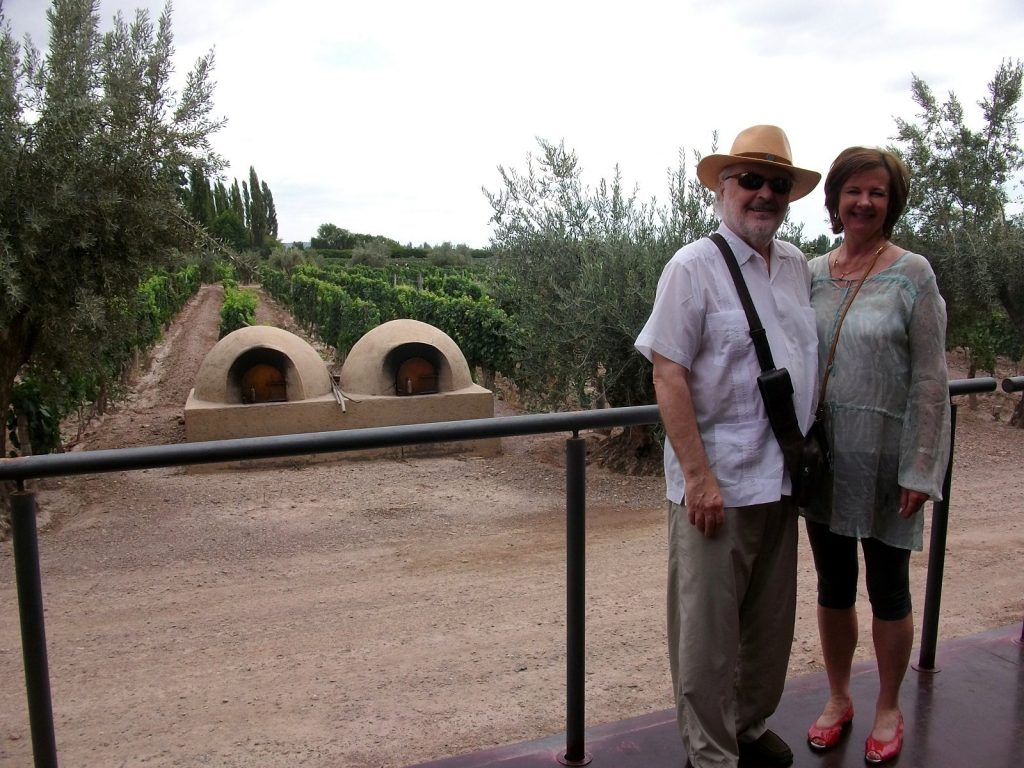
Lunch is the highlight of most winery days in Mendoza. Many wineries serve long, multi-course menus paired with their own wines, often on a terrace looking out over the vines, with vegetables from their own gardens and dishes cooked in traditional clay ovens.
Plan on one winery lunch a day, with a tour or tasting beforehand. Lunches usually take two to three hours, so there is no need to rush to fit in another winery.
Mendoza city
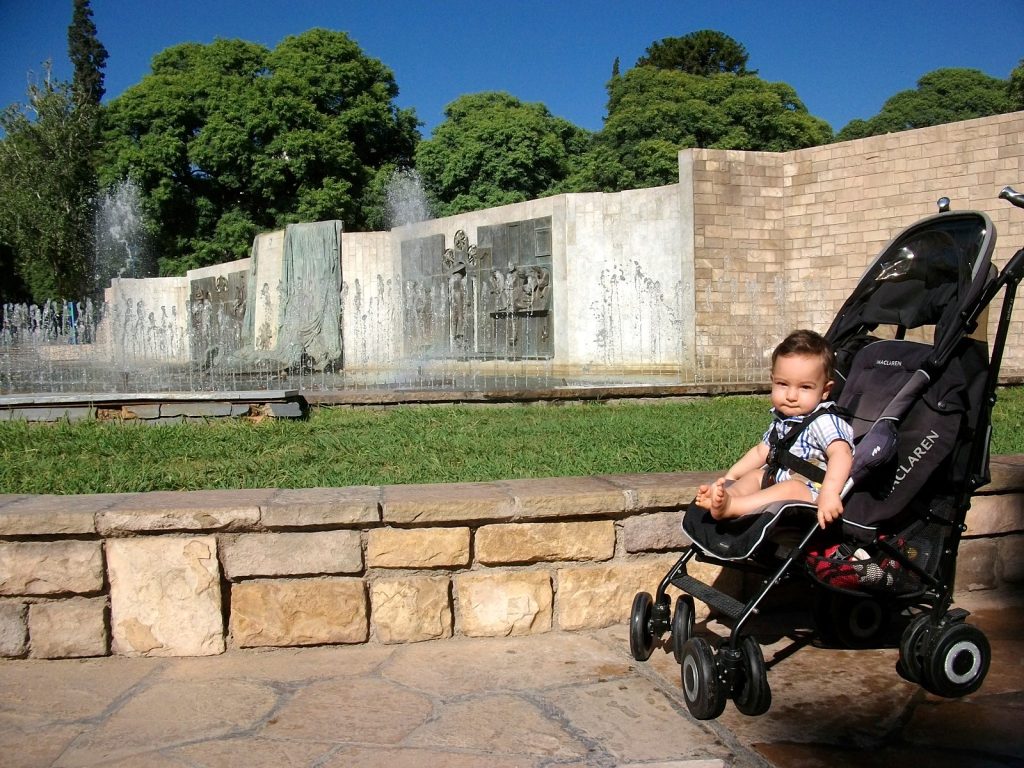
After an earthquake destroyed much of the city in 1861, Mendoza was rebuilt with wide avenues, shady plazas and thousands of trees, fed by the irrigation channels that still run along its streets.
Plaza Independencia, the main square, is ringed by four smaller plazas, and the vast Parque General San Martín lies on the western edge of town. In the evening, the cafés and wine bars fill up, and dinner rarely starts before nine.

When to go
- Late February to April is harvest season, when the wineries are at their busiest. Mendoza celebrates with the Vendimia, its grape harvest festival, with parades and a huge show in early March.
- October to December brings spring and early summer: fresh green vines, warm days and fewer crowds. It is one of our favorite times to go.
- January and February are hot in the city, but the higher Uco Valley stays cooler.
- June to August is winter, with cold nights, snow on the Andes, bare vines and quiet wineries.
Whatever the season, plan winery visits for the morning and early afternoon. That is when most tours and tastings run.
How many days?
We recommend at least three nights: one day in Luján de Cuyo, one in the Uco Valley and a slower day for Maipú or the city. With four or five nights, you can spend part of your stay at a wine lodge among the vines, or add a day trip into the high Andes.
Getting there
Flights from Buenos Aires to Mendoza take about two hours, and the airport is a short drive from the city. Some travelers continue over the Andes to Santiago, Chile.


Where to stay
You have two good choices, and many travelers do both:
- In the city, close to restaurants, plazas and evening walks, with an easy drive out to the wineries each day.
- At a wine lodge in Luján de Cuyo or the Uco Valley, waking up among the vines with the Andes outside your window.
Our tip: Split your stay: two nights in town, then one or two at a wine lodge to end the trip.
Practical tips
- Book winery visits and lunches in advance, especially from February to April.
- Use a private driver on wine days, so everyone can enjoy the tastings.
- Two or three wineries a day is plenty. Plan lunch at one of them.
- Bring sunscreen, sunglasses and a hat. The desert sun is strong.
- Pack a light layer. Even in summer, evenings cool down quickly.
Plan your Mendoza trip
Mendoza is an easy addition to Buenos Aires, and pairs beautifully with Patagonia or the colorful northwest. Tell us how you like to travel, and we will plan the wineries, the lunches and the driver, so all you have to do is enjoy the wine.